
Plant Library
Olive Tree Care Guide
Olea europaea
By the Plantshop.com Editorial Team · Updated · How we research · Report an error
Silvery, Mediterranean and very fashionable, the indoor olive tree is the plant people most often regret buying for the wrong spot. It is a sun-loving outdoor tree that tolerates life indoors only beside your brightest window or under a strong grow light.
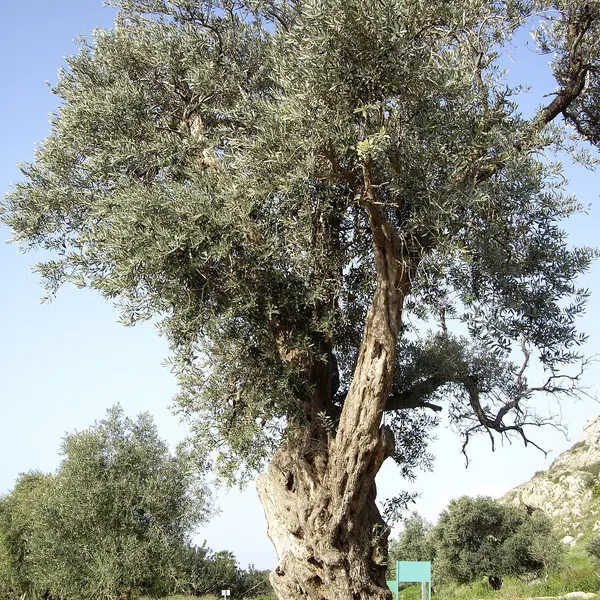
Plant profile
- Light
- Full sun: 6+ hours of direct sun; a south window or outdoors in summer
- Water
- Deeply, then only when the top 2 in (5 cm) is dry; never let it sit in water
- Humidity
- Low to average; tolerates dry air
- Pets
- Not on the ASPCA toxic or non-toxic list; no toxicity is widely reported, but ask your vet if pets chew it [ASPCA]
- Difficulty
- Challenging
- Size
- 3-6 ft in a pot; pruned to size
- Growth
- Slow indoors
Light
Full sun: 6+ hours of direct sun; a south window or outdoors in summer. Rotate the pot every few weeks so growth stays even.
Water
Deeply, then only when the top 2 in (5 cm) is dry; never let it sit in water. Always use a pot with drainage holes and empty the saucer after watering. Plants use far less water in winter.
Humidity and temperature
Humidity: low to average; tolerates dry air. Most houseplants prefer 60-80°F (16-27°C) and dislike cold drafts and heating vents.
Soil and feeding
Use a well-draining potting mix with bark or perlite for air. Feed lightly in spring and summer with a balanced houseplant fertilizer at half strength; skip feeding in winter.
Our tip
Put it outdoors in full sun from late spring to autumn if your nights stay above about 40°F (4°C), and bring it in before frost; a cool, bright winter suits it better than a warm, dim room.
Common problems
- Dropping leaves: Too little light, the most common cause indoors. Move it to the sunniest window or add a grow light.
- Crispy, curled leaves: Dried out completely or hit by heater air. Water deeply and move it away from vents.
- Black, mushy roots: Overwatering or a pot without drainage.
Pets
Not on the ASPCA toxic or non-toxic list; no toxicity is widely reported, but ask your vet if pets chew it. Check the ASPCA plant list. If a pet chews it and shows symptoms, call your vet or the ASPCA Animal Poison Control Center. Check any plant in our Pet-Safe Plant Checker.
Ready to buy? See sizes, what to check and which shops list it.
Buy an olive tree online