
Plant Library
Nerve Plant Care Guide
Fittonia albivenis
By the Plantshop.com Editorial Team · Updated · How we research · Report an error
The nerve plant (fittonia) has small leaves netted with white, pink or red veins. It loves humidity, which makes it ideal for terrariums and bathrooms, and it is listed as non-toxic to pets.
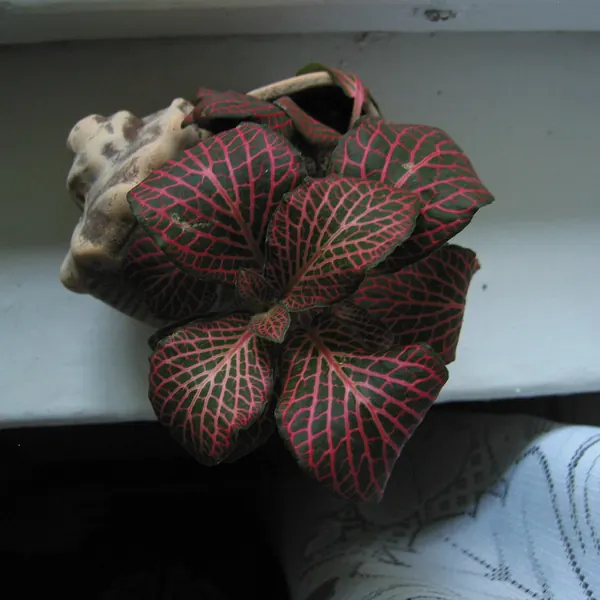
Plant profile
- Light
- Medium indirect light; no direct sun
- Water
- Keep evenly moist; it faints when dry
- Humidity
- High
- Pets
- Non-toxic to cats and dogs (ASPCA) [ASPCA]
- Difficulty
- Moderate
- Size
- 3-6 in tall
- Growth
- Moderate
Light
Medium indirect light; no direct sun. Rotate the pot every few weeks so growth stays even.
Water
Keep evenly moist; it faints when dry. Always use a pot with drainage holes and empty the saucer after watering. Plants use far less water in winter.
Humidity and temperature
Humidity: high. Most houseplants prefer 60-80°F (16-27°C) and dislike cold drafts and heating vents.
Soil and feeding
Use a well-draining potting mix with bark or perlite for air. Feed lightly in spring and summer with a balanced houseplant fertilizer at half strength; skip feeding in winter.
Our tip
It flops dramatically when thirsty and recovers after watering, but repeated collapses weaken it.
Common problems
- Collapsed plant: Dry soil; water at once.
- Crispy leaves: Low humidity.
- Yellow, mushy stems: Overwatering.
Pets
Non-toxic to cats and dogs (ASPCA), according to the ASPCA plant list. Check any plant in our Pet-Safe Plant Checker.
Looking to buy? We have not yet confirmed an online shop listing for this plant. Compare shops that ship plants in where to buy plants online.